The Importance of Protein Stabilizers and Blockers in Immunoassays
Understanding Proteins in Immunoassays
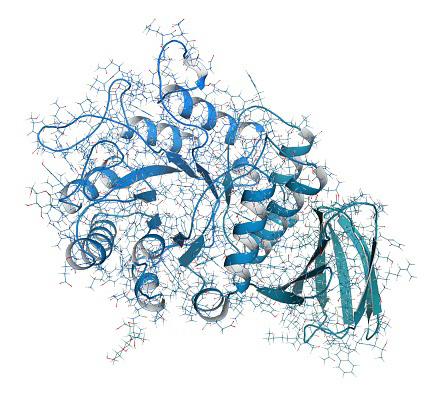
Proteins play a central role in immunoassays, particularly in ELISAs (Enzyme-Linked Immunosorbent Assay) and other protein-based assay formats, where their structural and functional properties are harnessed for target detection and signal generation. Antibodies, as highly specific protein molecules, serve as the primary recognition elements, binding selectively to antigens or analytes of interest with high affinity. Capture and detection antibodies are immobilized or labeled to facilitate the formation of antigen-antibody complexes, which are crucial for generating measurable signals. Enzyme-conjugated proteins, such as horseradish peroxidase (HRP) or alkaline phosphatase (AP), are commonly used to produce colorimetric, fluorescent, or chemiluminescent readouts upon interaction with specific substrates. Additionally, proteins are used as blocking agents to prevent nonspecific interactions and as stabilizers to maintain assay component integrity during storage and use. Overall, the performance of ELISAs and related immunoassays relies heavily on the precise behavior and stability of these protein components.
Why Protein Stabilizers and Blockers Matter in Immunoassays
Protein stability is a critical factor in the success of immunoassays, as it directly influences the functionality, shelf life, and reliability of assay components. Proteins such as antibodies, antigens, and enzyme conjugates must maintain their native structure and biological activity under various storage and assay conditions to ensure consistent performance. Instability can lead to denaturation, aggregation, or loss of binding affinity, resulting in decreased sensitivity, increased background noise, and compromised assay reproducibility. Maintaining protein stability is especially important in dried or lyophilized formats, where environmental stressors such as temperature, humidity, and oxidative conditions can accelerate degradation. Incorporating appropriate stabilizers helps preserve protein conformation and activity, enabling longer shelf life, robust assay performance, and reduced variability between assay lots. Thus, ensuring protein stability is essential for the development and commercialization of reliable diagnostic and research immunoassays.
Protein stabilizers and blockers are critical to the performance and reliability of immunoassays, ensuring the accuracy and consistency of test results. Protein stabilizers help preserve the structural integrity and functional activity of sensitive assay components, such as antibodies and enzymes, during storage and throughout the assay process. Without these stabilizers, key proteins may denature or degrade, leading to reduced assay sensitivity and reproducibility. Blockers, on the other hand, are used to prevent nonspecific binding by saturating potential binding sites on assay surfaces that could otherwise attract unrelated proteins or interfering substances. This minimizes background noise and false-positive signals, enhancing the specificity and signal-to-noise ratio of the assay. Together, stabilizers and blockers are essential for maintaining assay precision and reliability in both clinical and research applications.

Each immunoassay presents unique structural and functional requirements, making a one-size-fits-all approach to reagent selection insufficient in many cases. Due to the complexity and variability of assay formats, targets, and detection systems, developers often need to systematically evaluate and compare multiple reagent formulations to achieve optimal assay performance. This iterative process is essential for fine-tuning critical parameters such as sensitivity, specificity, background reduction, and signal stability. Selecting the right combination of stabilizers, blockers, and buffers tailored to an assay's specific needs enhances reliability, reproducibility, and diagnostic accuracy across platforms. When evaluating protein stabilizers and blockers, it is crucial to consider key performance criteria such as dried stability, blocking efficiency, and the ability to maintain signal strength. These criteria directly impact assay consistency, sensitivity, and robustness, making them essential for effective reagent selection and successful assay optimization.
Factors and Challenges in Protein Stabilization
Protein stability in immunoassays is influenced by a variety of interrelated physicochemical factors, including temperature, pH, ionic strength, and the presence of contaminants or enzymatic activity. Elevated temperatures can accelerate protein denaturation or aggregation, while suboptimal pH levels can disrupt electrostatic interactions and alter protein conformation. Salts and metal ions can stabilize or destabilize proteins depending on their concentration and specific interactions with charged residues. Contaminants such as detergents, microbial byproducts, or residual solvents may interfere with protein folding or promote degradation. Protease activity poses a significant threat to protein integrity, as even low levels can cleave critical functional domains. Protein hydrophobicity also plays a role, as exposed hydrophobic regions can lead to aggregation or surface binding, especially in solid-phase assays. The careful selection of reagents is essential to mitigate these risks and create a protective environment that maintains protein structure and function throughout assay development, storage, and use.
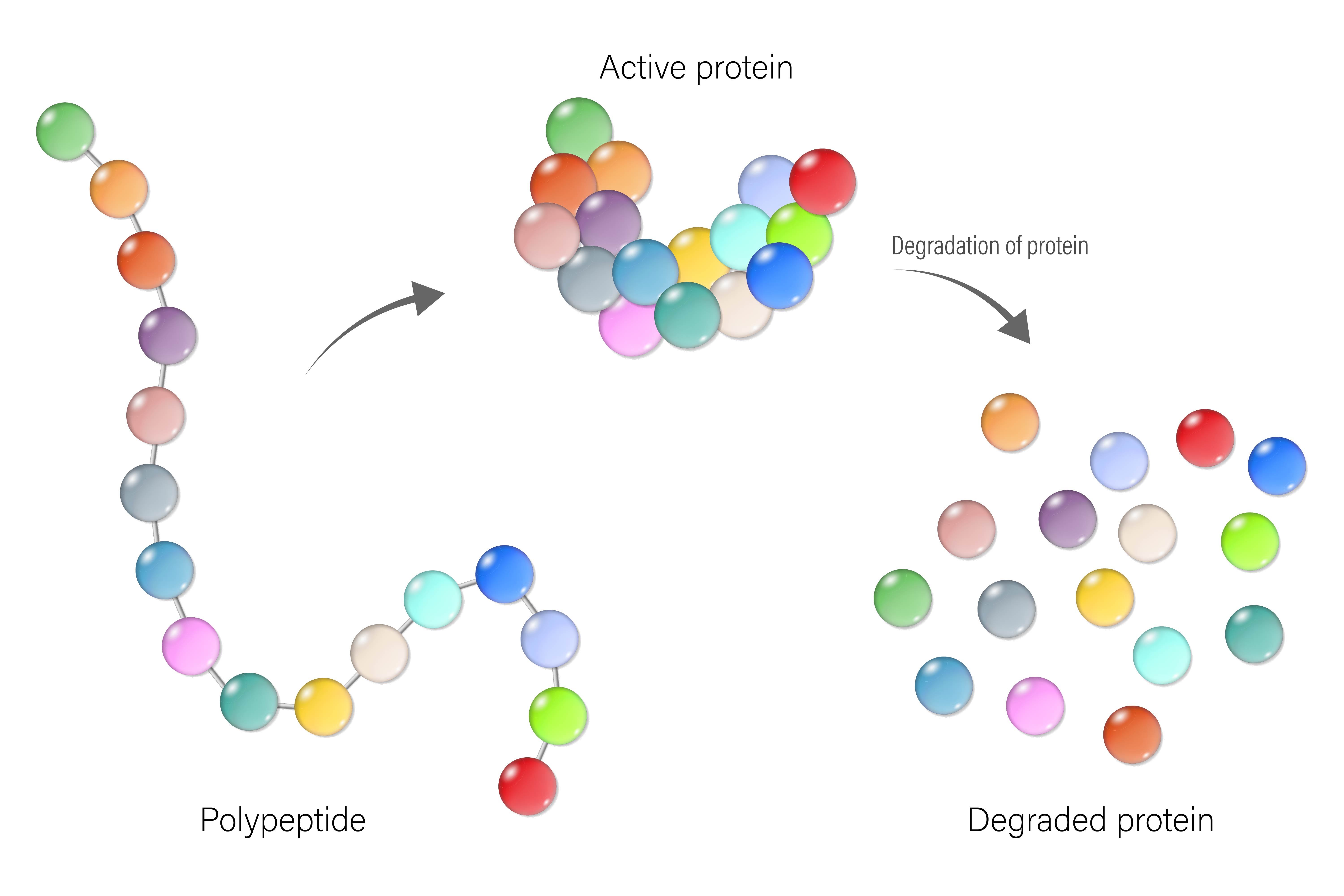
Protein stabilization in immunoassays faces several key challenges that can compromise assay performance and reliability. Protein degradation, often caused by environmental stressors or enzymatic activity, leads to fragmentation or denaturation, reducing the functional lifespan of critical components such as antibodies and enzymes. Loss of activity, even without visible degradation, can occur due to subtle conformational changes that impair binding affinity or catalytic efficiency. Insufficient blocking allows nonspecific interactions between assay surfaces and proteins, resulting in elevated background noise and reduced specificity. Signal suppression can occur when stabilizers or other matrix components interfere with antigen-antibody interactions or enzyme activity, leading to diminished assay sensitivity. Additionally, cross-reactivity among reagents, particularly with commonly used proteins like bovine serum albumin (BSA), can lead to false positives or inconsistent results, especially when antibodies recognize shared epitopes or impurities present in stabilizers. Addressing these challenges requires a strategic selection of reliable reagents and careful optimization of assay conditions to preserve protein integrity and ensure consistent performance.
Surmodics IVD’s Dried Protein Stabilizers/Blockers
Given the numerous factors and challenges that influence protein stability, it is essential for immunoassay developers to have access to a diverse selection of high-quality reagents to achieve optimal assay performance. Surmodics IVD serves as a one-stop resource for immunoassay development, providing an extensive portfolio of industry-leading diagnostic reagents, specifically designed to address the unique demands of any assay.
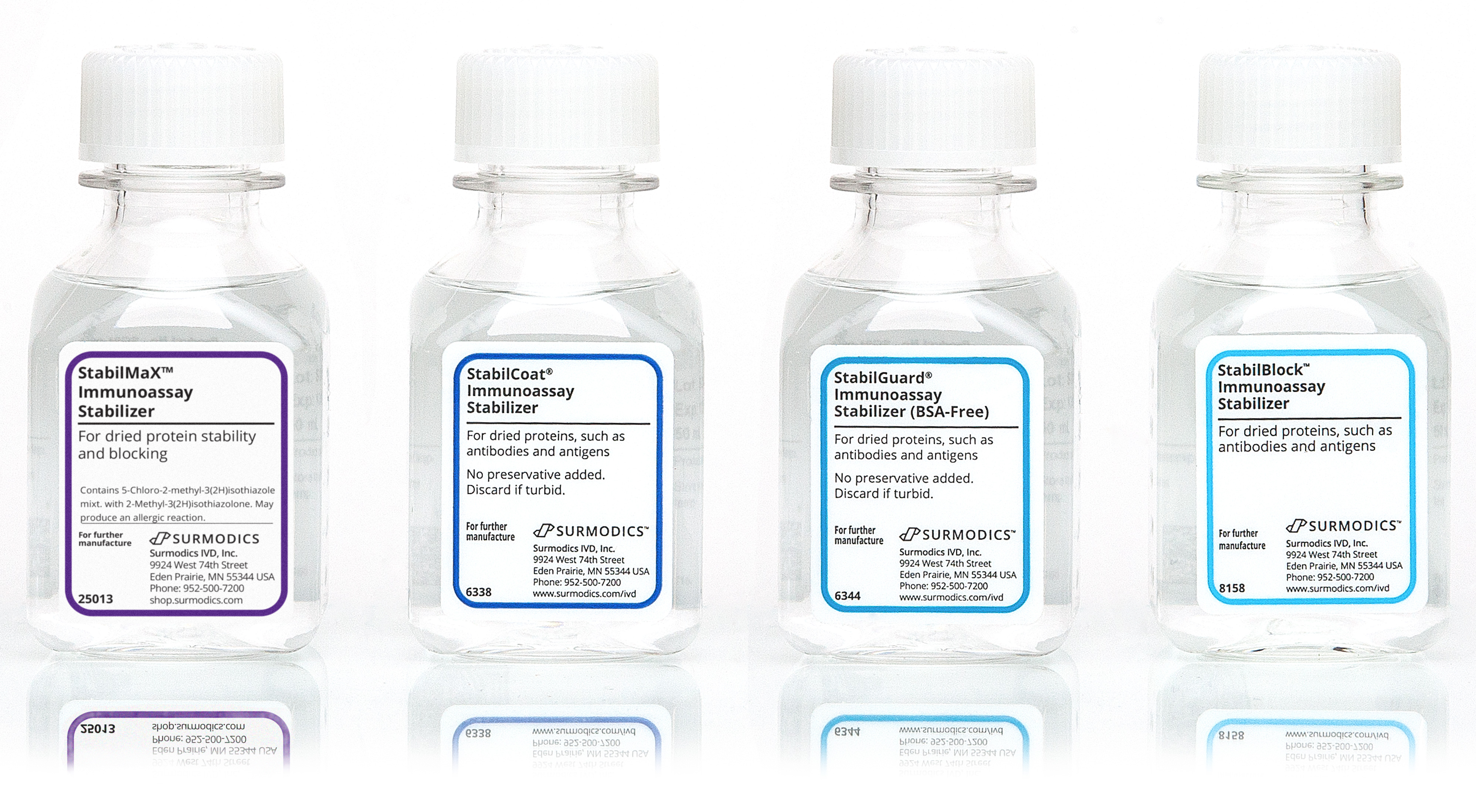
Surmodics IVD’s dried protein stabilizers/blockers, also referred to as immunoassay stabilizers, preserve the conformation and activity of dried proteins coated on a wide range of surfaces, keeping antibodies and antigens at peak performance for long durations. Simultaneously, the blocking mechanisms in these reagents mitigate non-specific binding of interfering proteins to enhance signal-to-noise ratios and overall assay sensitivity. Surmodics IVD’s immunoassay stabilizers are the industry gold standard for stability and blocking efficacy. The result is immediate improvement of assay performance in a one-step process for streamlined manufacturing.
Functional Benefits of Surmodics IVD’s Dried Protein Stabilizers/Blockers:
- Protein Stabilization: Maintains biological activity of dried proteins by preventing conformational degradation over time.
- Surface Blocking: Reduces non-specific binding of interfering proteins to minimize background signal and increase assay sensitivity.
- Process Efficiency: Enables a single-step coating and stabilization process, streamlining assay development and manufacturing.
- Broad Compatibility: Effective across diverse substrates and assay formats, including ELISA, lateral flow, and multiplex platforms.
Surmodics IVD’s Dried Protein Stabilizers/Blockers:
Each of Surmodics IVD’s dried protein stabilizers/blockers provide long term stability while simultaneously blocking non-specific binding interactions. Each contains a different blocking mechanism for optimal signal-to-noise ratios.
- StabilMaX™ Immunoassay Stabilizer (SX01) – Maintains assay signal and provides stability with ample blocking capability to reduce non-specific binding, often ideal for antigen-down assays.
- StabilCoat™ Immunoassay Stabilizer (SC01) – Increases signal-to-noise ratios of assays through effective blocking of the plate while maximizing the binding capacity of the antigen/antibody epitopes.
- StabilGuard™ Immunoassay Stabilizer (SG01) – Utilizes a protein-free formulation to eliminate interferences and cross reactivity for increased sensitivity within the assay.
- StabilBlock™ Immunoassay Stabilizer (ST01) – Gives assay developers the best possible tool to lower non-specific binding and maximizes the signal-to-noise ratios of assays.
Proven Performance - Why Assay Developers Choose Surmodics IVD:
Dried Protein Stability:
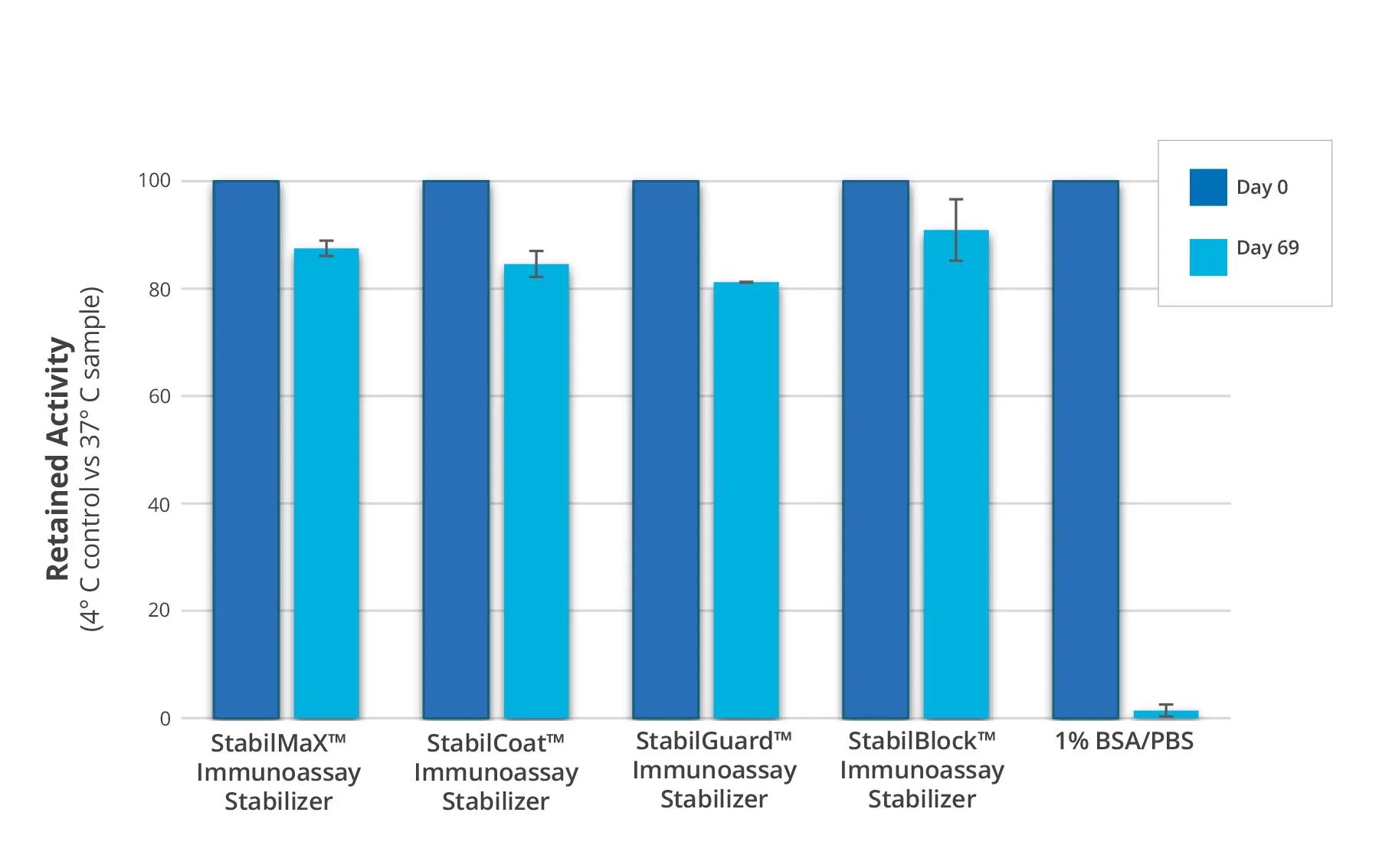
Accelerated stability projections demonstrate significant retained activity of dried proteins with Surmodics IVD’s dried protein stabilizers/blockers.
Graph Details: The accelerated stability tests used a rabbit polyclonal IgG ELISA assay to assess each stabilizer. 69 days of accelerated stability testing is equivalent to just under 2 years of real-time stability.
Signal-To-Noise Ratios:
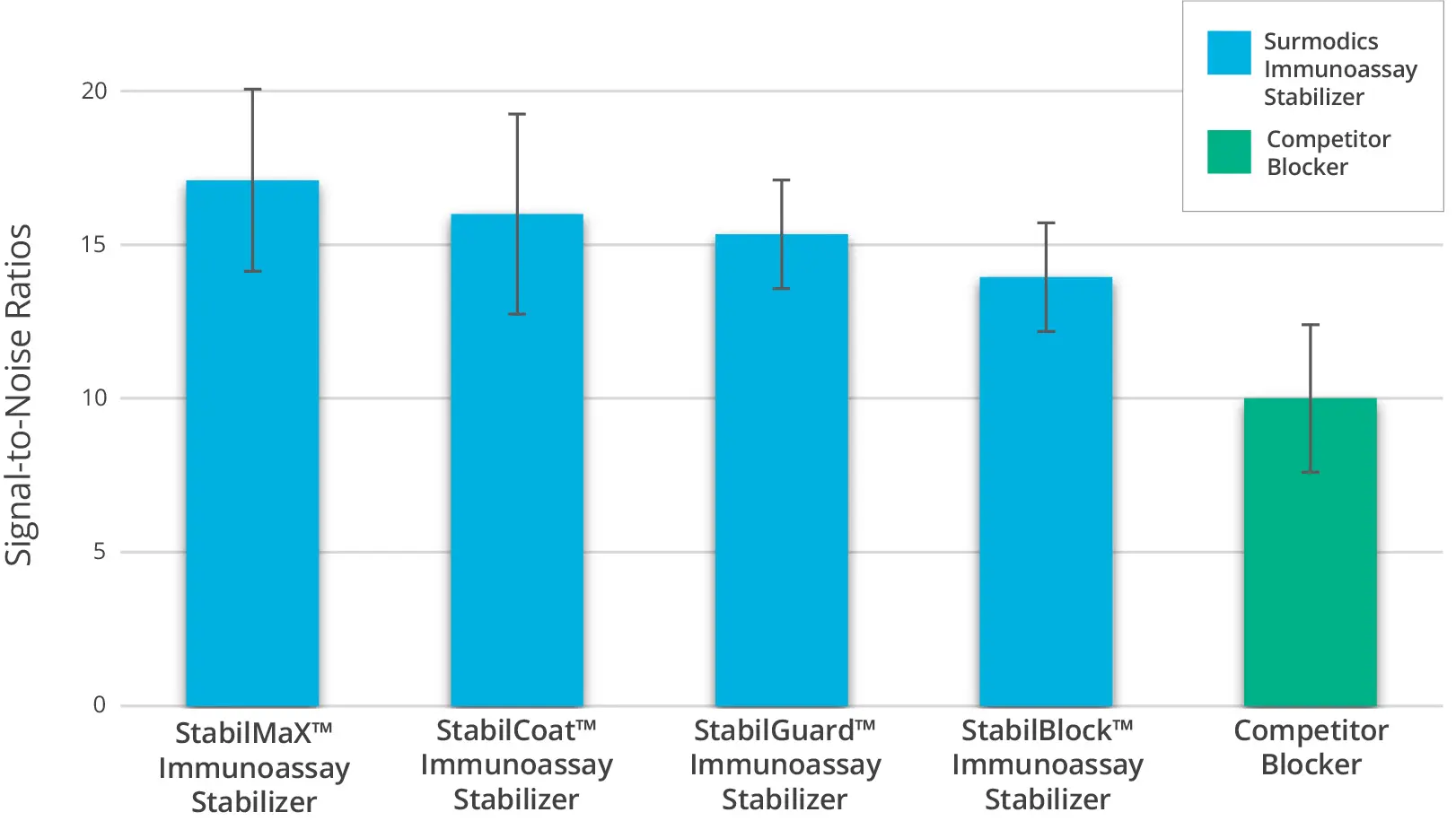
Surmodics’ dried protein stabilizers/blockers provide a choice of blocking mechanisms to achieve optimal signal-to-noise ratios for each assay.
Graph Details: Top standards were run on a rabbit polyclonal IgG ELISA assay using plates blocked with StabilMaX™, StabilBlock™, StabilCoat™, StabilGuard™ Immunoassay Stabilizers and a competitive commercial blocker. The signal-to-noise ratios were quantified.
Blocking Strength:
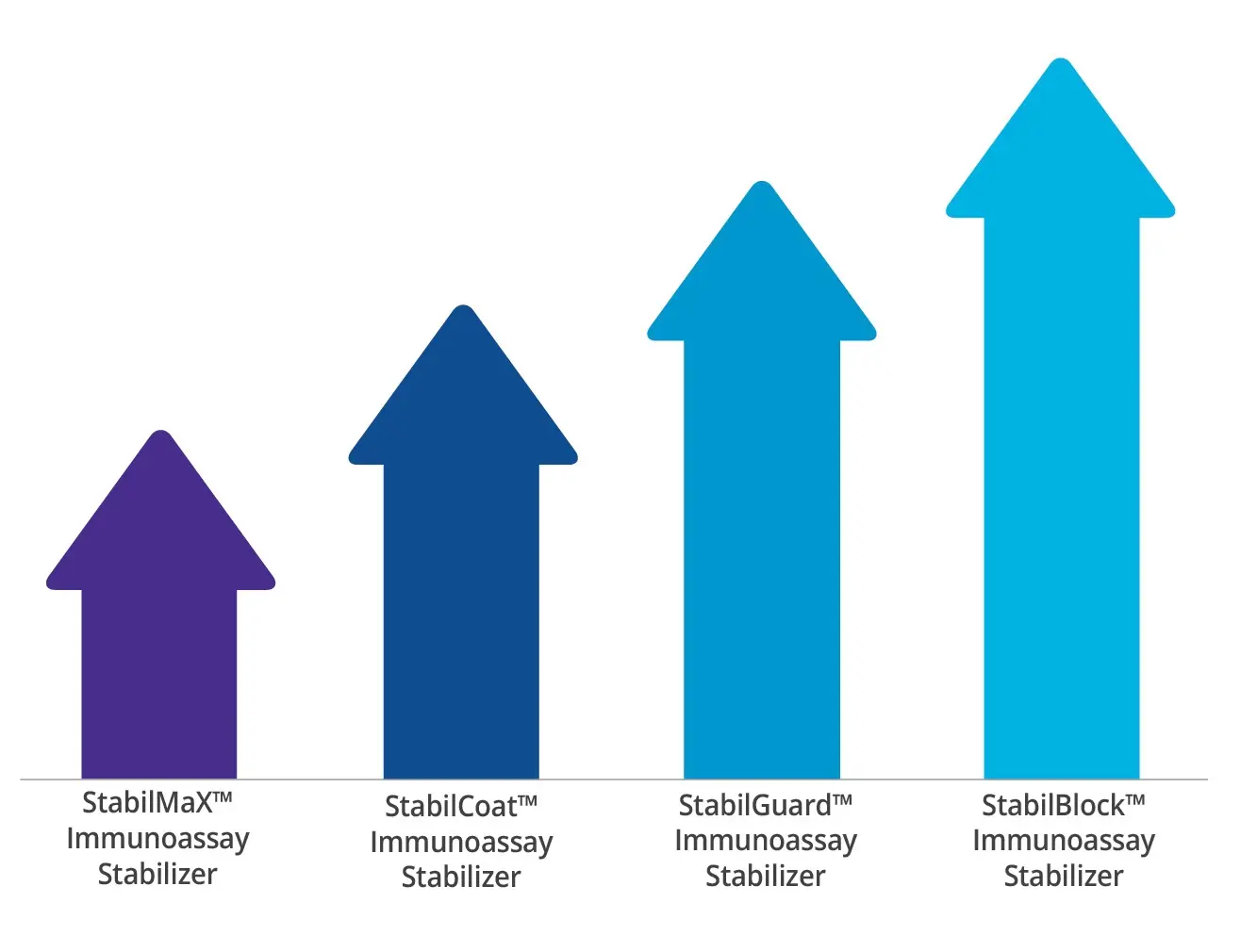
Assay developers often need to evaluate numerous blocking mechanisms during protocol development and optimization. Surmodics’ dried protein stabilizers/blockers provide a variety of blocking mechanisms to achieve the best signal-to-noise ratios for each assay.
Conclusion
The development of high-performing immunoassays relies on the understanding of protein behavior and the strategic use of reagents. Protein stabilizers and blockers play a critical role in maintaining the structural integrity and functionality of key assay components, directly influencing sensitivity, specificity, and overall assay reliability. Challenges such as protein degradation, nonspecific binding, and signal suppression stress the need for high-quality reagents. Since no single formulation fits every application, it is essential for assay developers to evaluate different dried protein stabilizers and blockers to identify the one that best meets the specific performance requirements of their assay. Surmodics IVD addresses these needs with a comprehensive portfolio of dried protein stabilizers and blockers, each offering distinct functional benefits tailored to diverse assay formats. By providing long-term protein stability, superior blocking efficiency, and compatibility across multiple platforms, Surmodics IVD’s immunoassay stabilizers empower developers to streamline assay manufacturing while achieving exceptional performance. These advanced solutions are essential tools in optimizing immunoassay workflows and ensuring consistent, accurate results in both clinical and research settings.
Frequently Asked Questions:
1. What is the difference between a protein stabilizer and a protein blocker in an immunoassay?
While both are essential for assay performance, they serve different purposes. Protein stabilizers preserve the structure and biological activity of antibodies, antigens, and enzyme conjugates during storage and use, helping to maintain consistent assay performance over time. Protein blockers, on the other hand, reduce nonspecific binding by occupying uncoated surface sites, minimizing background signal and improving assay specificity. Surmodics IVD's dried protein stabilizers combine both stabilization and blocking capabilities into a single reagent for greater manufacturing efficiency.
2. Which immunoassays benefit from dried protein stabilizers and blockers?
Dried protein stabilizers and blockers are widely used across many immunoassay formats, including ELISA, lateral flow assays, multiplex assays, microarrays, and other diagnostic platforms. They help preserve protein activity during storage, reduce nonspecific binding, improve signal consistency, and extend reagent shelf life. These benefits are especially valuable for commercial diagnostic kits and research assays that require reliable performance over extended storage periods.
3. How do I choose the best protein stabilizer or blocker for my immunoassay?
The optimal reagent depends on your assay format, target analyte, detection chemistry, and performance requirements. Factors such as dried stability, signal-to-noise ratio, blocking efficiency, compatibility with assay components, and potential cross-reactivity should all be considered during assay development. Because no single formulation works best for every application, evaluating multiple stabilizer and blocker formulations is often the most effective approach to maximize sensitivity, specificity, and long-term stability.
Interested in setting up a call with the Surmodics IVD Technical team to receive product recommendations and free samples for evaluation?
Click here to connect with the Surmodics IVD Technical Team today! (https://shop.surmodics.com/contact-new)
Additional Peer Reviewed Articles:
- https://www.corning.com/catalog/cls/documents/application-notes/CLS-DD-AN-456.pdf
- https://pmc.ncbi.nlm.nih.gov/articles/PMC9699111/
- https://www.ncbi.nlm.nih.gov/pmc/articles/PMC3432671/
To learn more and/or request free samples for evaluation, contact our team today!

